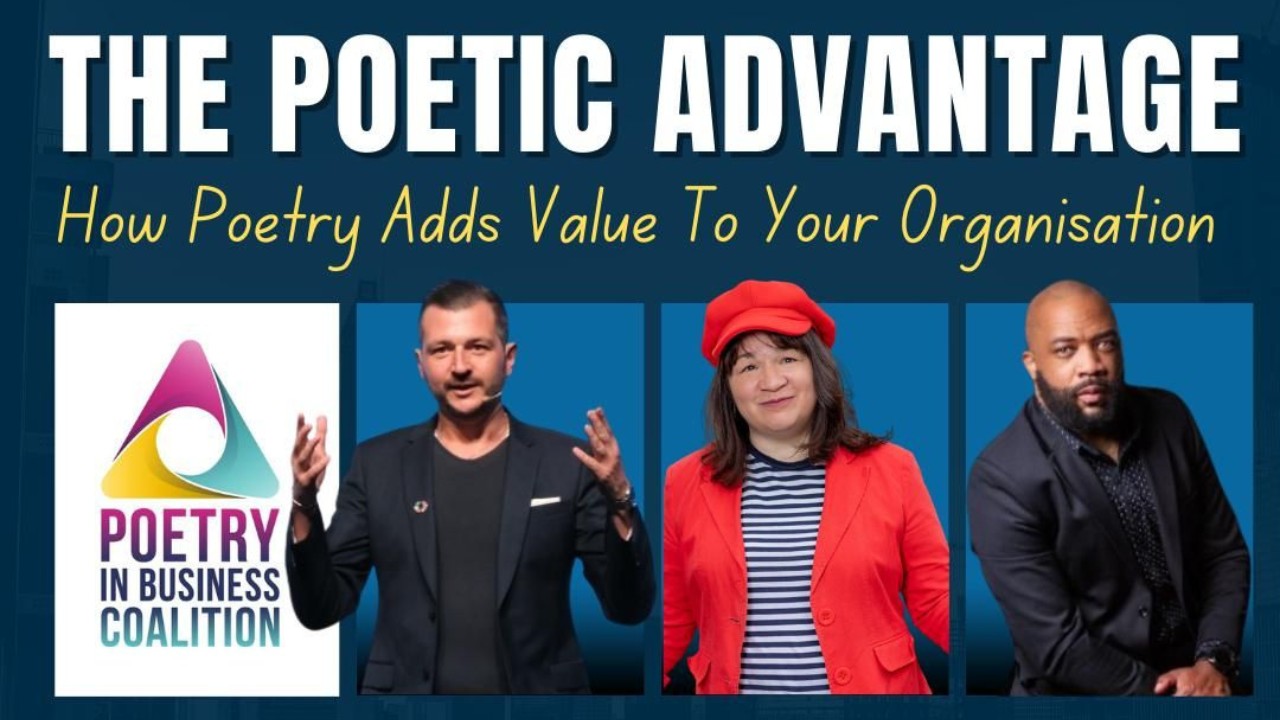
When people think about business strategy, they often imagine spreadsheets, forecasts, and market analysis. Yet there is another lens that can be just as powerful, though far less conventional: the lens of poetry. Poets are masters of language, emotion, and perspective. They see connections where others see only fragments, and they craft meaning out of complexity. If businesses thought more like poets, they would discover new ways to connect with customers, inspire employees, and create brands that resonate far beyond the transactional.
Poetry thrives on the ability to distill big ideas into simple, memorable expressions. In business, this skill translates into clarity of vision and communication. A company that can articulate its purpose in a way that feels both precise and evocative will stand out in a crowded marketplace. Customers are not moved by jargon or technical details alone; they respond to words that stir imagination and emotion. Thinking like a poet means choosing language that captures the essence of what a business stands for, making it easier for people to remember and believe in.
Another hallmark of poetry is its attention to rhythm and flow. Poets understand that the cadence of words shapes how they are received. Businesses can apply this principle to the way they design customer experiences. Every interaction, from a website visit to a service call, has a rhythm. When that rhythm feels smooth and intentional, customers sense harmony. When it feels disjointed or rushed, they notice the discord. By thinking like poets, leaders can craft experiences that feel balanced and satisfying, leaving customers with a lasting impression of care and thoughtfulness.
Poets are also adept at seeing beauty in the ordinary. They take everyday moments and reveal their hidden significance. Businesses that adopt this mindset can find inspiration in places they might otherwise overlook. A routine process, a small detail in packaging, or a simple gesture of service can become an opportunity to delight. When companies elevate the ordinary into something meaningful, they create experiences that customers cherish and remember. This ability to transform the mundane into the memorable is one of the most powerful ways to build loyalty.
Metaphor is another tool poets use to make complex ideas accessible. In business, metaphors can help leaders explain strategies, inspire teams, and connect with audiences. A well-chosen metaphor can turn abstract goals into vivid images that people can grasp and rally around. For instance, describing a company’s growth as a journey rather than a set of numbers invites employees to see themselves as travelers moving toward a shared destination. Thinking like a poet means embracing metaphor as a way to bridge the gap between logic and emotion.
Poetry also teaches the value of perspective. Poets often challenge readers to see the world differently, to question assumptions, and to notice what lies beneath the surface. Businesses benefit from this same openness. Markets shift, customer needs evolve, and technologies disrupt. Companies that think like poets are more willing to reframe challenges, to look at problems from unexpected angles, and to imagine possibilities that others dismiss. This creative perspective fosters innovation and resilience, qualities essential for long-term success.
Emotion is central to poetry, and it should be central to business as well. While data and analytics are critical, they cannot replace the human element. Customers make decisions based not only on logic but also on how they feel. Employees commit to organizations when they feel valued and inspired. By thinking like poets, businesses learn to honor emotion as a legitimate driver of behavior. They craft messages that resonate, create environments that uplift, and design products that spark joy. Emotion, when harnessed thoughtfully, becomes a powerful force for growth.
Poets also embrace ambiguity. They understand that meaning is not always fixed, that words can carry multiple interpretations, and that uncertainty can be fertile ground for creativity. Businesses often strive for absolute clarity, but in doing so they sometimes miss the richness of nuance. Thinking like a poet means being comfortable with complexity, recognizing that customers may engage with a brand in different ways, and allowing space for interpretation. This openness can make a brand feel more human, more adaptable, and more relatable.
Another lesson poetry offers is the importance of silence and space. Poets know that what is left unsaid can be as powerful as what is spoken. In business, this translates into restraint. Not every message needs to be loud or constant. Sometimes the most effective communication is subtle, allowing customers to fill in the gaps with their own imagination. A brand that knows when to pause, when to listen, and when to let its audience breathe creates deeper connections than one that overwhelms with noise.
Poetry is timeless because it speaks to universal truths. Businesses that think like poets aim to create offerings that transcend fleeting trends. They focus on values, experiences, and stories that remain relevant across generations. A product may evolve, a service may adapt, but the underlying narrative remains steady. This sense of timelessness gives customers confidence that the brand will endure, and it positions the business as more than just a participant in the market—it becomes a cultural presence.
Thinking like a poet also encourages humility. Poets often write from a place of vulnerability, acknowledging uncertainty and exploring the human condition. Businesses that embrace humility are better able to connect with customers and employees. They admit mistakes, learn from them, and show empathy. This openness builds trust, which is the foundation of any lasting relationship. A company that can balance ambition with humility demonstrates strength in a way that feels authentic and enduring.
Finally, poetry reminds us of the power of imagination. Poets envision worlds that do not yet exist, and they invite readers to step into them. Businesses that think like poets do the same. They imagine futures that inspire, products that delight, and experiences that transform. They invite customers and employees to join in that vision, creating a sense of shared possibility. Imagination fuels innovation, and when guided by poetic thinking, it ensures that a business is not just reacting to the present but shaping the future.
In the end, thinking like a poet is not about turning business into art for art’s sake. It is about recognizing that language, emotion, rhythm, and imagination are as vital to success as strategy and analysis. Businesses that embrace this mindset create brands that resonate deeply, experiences that feel meaningful, and relationships that endure. They remind us that commerce, at its best, is not just about transactions but about connection. And connection, like poetry, is what makes the ordinary extraordinary.