For many millennials, insurance often feels like an afterthought, something to worry about later in life when responsibilities grow heavier. Yet the reality is that insurance plays a critical role in financial stability, and understanding it early can make a significant difference in long-term security. As this generation navigates careers, relationships, and investments, knowing how insurance fits into the bigger financial picture is essential.
One of the most important things millennials should recognize is that insurance is not just about protecting against worst-case scenarios. It is about creating a safety net that allows for confidence in everyday decisions. Whether it is health coverage, renter’s insurance, or life insurance, these policies provide reassurance that unexpected events will not derail financial progress. This peace of mind is invaluable, especially for a generation that often balances student debt, rising living costs, and the pursuit of financial independence.
Health insurance is perhaps the most immediate concern. Medical expenses can be overwhelming, and without coverage, even minor issues can lead to significant financial strain. Millennials, many of whom are still building savings, cannot afford to take the risk of being uninsured. Understanding deductibles, co-pays, and coverage limits ensures that they select plans that fit both their health needs and their budgets. Health insurance is not just a financial product; it is a tool that protects well-being and ensures access to care when it matters most.
Property insurance is another area where millennials should pay attention. With more young adults renting than owning homes, renter’s insurance is often overlooked. Yet it provides protection for personal belongings and liability coverage in case of accidents. For those who have invested in homes or vehicles, property and auto insurance are critical safeguards. These policies protect assets that represent years of effort and savings, ensuring that unexpected damage or theft does not wipe out progress.
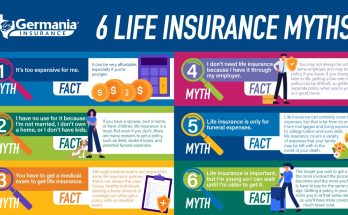
Life insurance may feel distant for millennials, but it is worth considering earlier than many realize. For those with dependents or significant financial obligations, life insurance ensures that loved ones are not left vulnerable. Even for those without families, purchasing life insurance at a younger age often means lower premiums and better options. It is less about anticipating tragedy and more about planning responsibly for the future.
Disability insurance is another area that deserves attention. Millennials are in the prime of their working years, and their ability to earn income is one of their most valuable assets. Disability coverage protects against the financial consequences of being unable to work due to illness or injury. Without it, a sudden health issue could jeopardize not only current stability but also long-term financial goals. Recognizing the importance of income protection is a key step in building resilience.
One challenge millennials face is the complexity of insurance products. Policies are often filled with jargon and fine print that can be intimidating. Taking the time to understand terms, exclusions, and coverage limits is crucial. Comparing options and asking questions helps ensure that policies align with actual needs rather than assumptions. Insurance should never be purchased blindly; it should be integrated thoughtfully into a broader financial plan.
Technology has made this process easier. Millennials, who are digital natives, have access to apps and platforms that simplify insurance management. From comparing quotes to filing claims, technology streamlines the experience and provides transparency. Leveraging these tools allows millennials to make informed decisions and stay engaged with their coverage. Insurance is no longer a paper-heavy, confusing process; it can be managed with the same ease as online banking or investing.
Another important consideration is the balance between cost and coverage. It can be tempting to choose the cheapest policy, but inadequate coverage often leads to higher expenses in the long run. Millennials should focus on value rather than price alone, ensuring that premiums provide meaningful protection. This mindset shifts insurance from being seen as a burden to being recognized as an investment in stability.
Insurance also intersects with broader financial goals. For millennials pursuing entrepreneurship, travel, or investment opportunities, coverage provides the confidence to take risks. Knowing that assets, health, and income are protected allows for bolder decisions. Insurance is not just about avoiding loss; it is about enabling growth by reducing the fear of setbacks. This perspective reframes insurance as a partner in success rather than a necessary evil.
Social responsibility plays a role as well. Millennials often value community and sustainability, and insurance contributes to both. By pooling risk, insurance creates collective resilience, ensuring that individuals and businesses can recover from setbacks. This shared protection strengthens economies and communities, aligning with values that many millennials hold dear. Understanding this broader impact helps reinforce the importance of participating in insurance systems.
Regular review of coverage is another habit millennials should adopt. Life circumstances change—new jobs, families, or investments all affect insurance needs. A policy that was sufficient five years ago may no longer provide adequate protection today. Reviewing and adjusting coverage ensures that insurance evolves alongside personal and professional growth. This proactive approach prevents gaps and keeps financial plans aligned with reality.
Ultimately, what millennials should know about insurance is that it is not just a product but a foundation for financial resilience. It protects against risks, supports long-term goals, and provides peace of mind. By engaging with insurance early, understanding its nuances, and integrating it into broader financial strategies, millennials can build stability that empowers them to pursue opportunities with confidence. Insurance is not about fear; it is about freedom—the freedom to live, work, and grow without the constant worry of financial ruin.