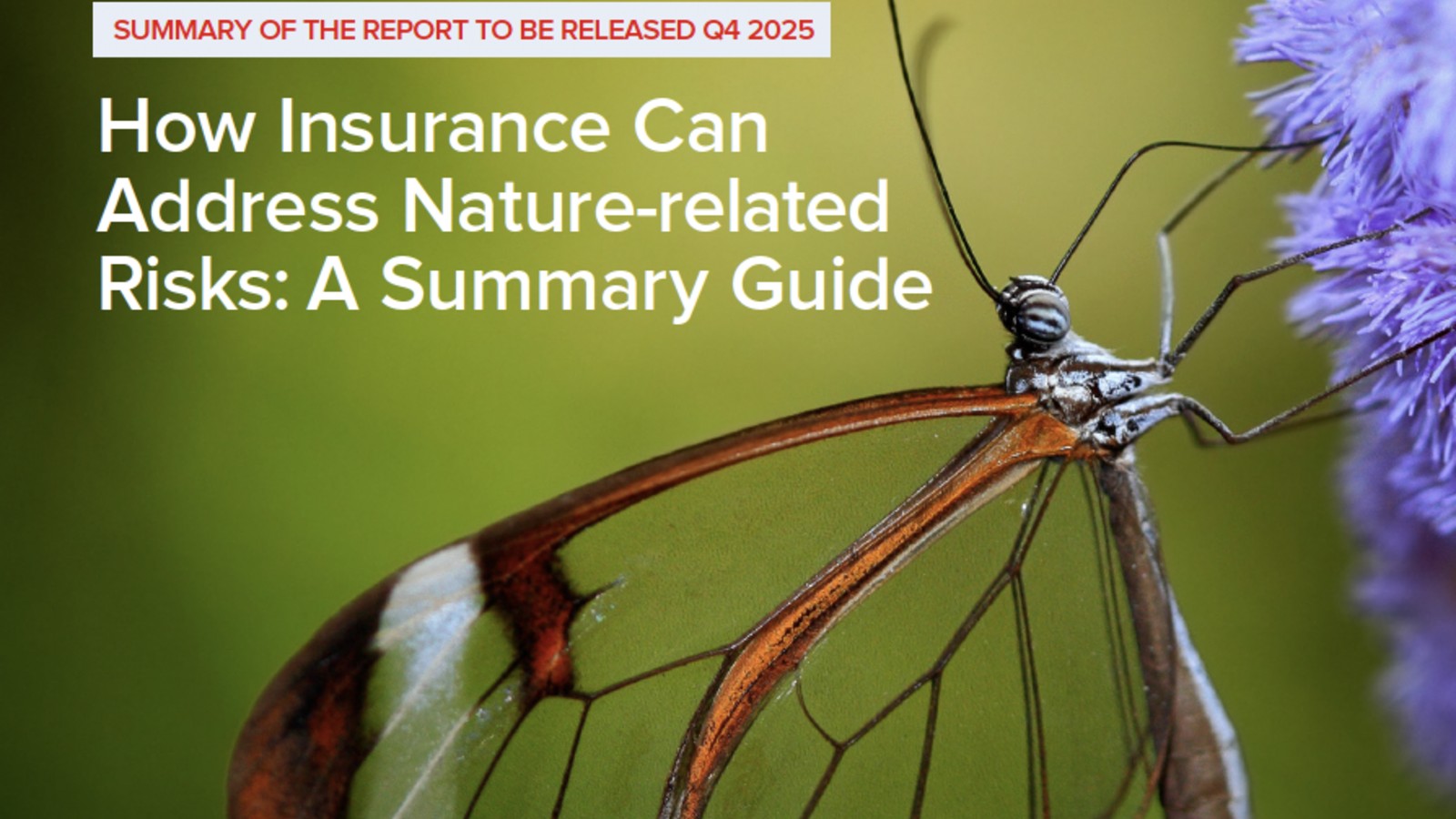
Biodiversity is often described as the foundation of life on Earth, underpinning ecosystems that provide food, water, medicine, and countless other resources. Yet it is increasingly under threat from climate change, deforestation, pollution, and unsustainable development. Protecting biodiversity requires not only conservation efforts but also financial mechanisms that can absorb the risks associated with environmental loss. Insurance, though traditionally associated with property or health, is emerging as a powerful tool in biodiversity protection, offering stability and incentives that encourage sustainable practices.
One of the most direct ways insurance contributes to biodiversity protection is by covering risks linked to conservation projects. Initiatives such as reforestation, habitat restoration, or wildlife protection often involve significant investment, and the outcomes can be uncertain. Insurance provides a safety net for these projects, ensuring that financial losses from unforeseen events do not derail long-term goals. This protection makes it easier for governments, NGOs, and private investors to commit resources to biodiversity initiatives with confidence.
Insurance also plays a role in managing risks associated with natural disasters that impact ecosystems. Hurricanes, floods, and wildfires can devastate habitats, threatening species and disrupting ecological balance. By providing coverage for restoration efforts, insurance helps communities and organizations recover more quickly, reducing the long-term damage to biodiversity. This financial support ensures that ecosystems can be rehabilitated rather than abandoned, preserving their role in sustaining life and economic activity.
The agricultural sector illustrates another important connection between insurance and biodiversity. Farming practices can either support or undermine ecological diversity, depending on how they are managed. Crop and livestock insurance that incentivizes sustainable practices encourages farmers to adopt methods that protect soil health, conserve water, and maintain habitats for pollinators. By aligning coverage with environmental outcomes, insurers can influence behavior in ways that promote biodiversity while still protecting livelihoods.
Marine ecosystems also benefit from insurance mechanisms. Coral reefs, fisheries, and coastal habitats are vital for biodiversity and human economies, yet they are highly vulnerable to climate change and overexploitation. Innovative insurance models have been developed to cover the costs of reef restoration after storms or to support sustainable fishing practices. These policies not only protect ecosystems but also ensure that communities dependent on marine resources can continue to thrive, reinforcing the link between biodiversity and economic resilience.
Insurance contributes to biodiversity protection by encouraging preventive measures. Policies often require risk assessments and mitigation strategies, which can include habitat preservation, pollution control, or sustainable resource management. These requirements push organizations to adopt practices that reduce environmental harm, creating a culture of responsibility. In this way, insurance acts as both a safeguard and a driver of proactive biodiversity protection.
The psychological impact of insurance in biodiversity efforts should not be overlooked. Conservation projects often face uncertainty, and stakeholders may hesitate to invest in initiatives that seem risky. Insurance provides reassurance that losses will be covered, fostering confidence and commitment. This peace of mind encourages broader participation in biodiversity protection, from local communities to multinational corporations, making conservation a more viable and attractive endeavor.
Governments recognize the importance of insurance in biodiversity protection and often collaborate with insurers to design policies that align with public goals. Subsidized premiums, public-private partnerships, and regulatory frameworks help expand access to coverage for conservation projects. These collaborations highlight the role of insurance as a public good, supporting biodiversity as part of broader environmental and social policy. By integrating insurance into national strategies, governments can strengthen resilience against ecological loss.
Technology is reshaping how insurance supports biodiversity. Satellite imagery, drones, and data analytics allow insurers to monitor ecosystems and assess risks more accurately. These tools make it possible to design policies that reflect real environmental conditions, ensuring that coverage is both fair and effective. Digital innovations also enhance transparency, allowing stakeholders to track progress and outcomes in biodiversity protection. This integration of technology and insurance creates new opportunities for safeguarding ecosystems.
Global crises have further emphasized the importance of insurance in biodiversity protection. Climate change, pandemics, and economic instability all threaten ecosystems and the services they provide. Insurance systems that adapt to these challenges offer critical support, covering losses and enabling recovery. By cushioning the impact of crises, insurance ensures that biodiversity initiatives remain viable even in uncertain times, reinforcing their role in sustaining life and economies.
Insurance also plays a role in equity and inclusion within biodiversity protection. Vulnerable communities often depend directly on ecosystems for survival, yet they are disproportionately affected by environmental loss. Affordable insurance products tailored to these communities help level the playing field, ensuring that they can recover from setbacks and continue participating in conservation. This inclusivity strengthens biodiversity protection by broadening engagement and reducing disparities in resilience.
The economic implications of insurance in biodiversity protection are significant. Healthy ecosystems contribute to tourism, agriculture, fisheries, and countless other industries. Insurance ensures that these contributions are not disrupted by disasters or degradation, supporting broader economic stability. By protecting biodiversity, insurers indirectly safeguard jobs, businesses, and communities, reinforcing the idea that environmental health is inseparable from economic prosperity.
Looking ahead, the role of insurance in biodiversity protection will continue to expand. As risks evolve and societies place greater emphasis on sustainability, insurers will need to develop products that balance affordability with comprehensive coverage. Collaboration between insurers, governments, and conservation organizations will be essential in creating sustainable solutions. The challenge is not only to provide financial protection but also to foster confidence and resilience in systems that prioritize biodiversity.
Ultimately, insurance is more than a financial safeguard in biodiversity protection; it is a partner in resilience and renewal. By absorbing risks, encouraging preventive measures, and fostering trust, insurance enables societies to invest in ecosystems with confidence. Its impact extends beyond financial stability to the very principles of sustainability, empowering communities to protect biodiversity as a shared resource. In a world where uncertainty is constant, insurance provides the foundation for progress, ensuring that biodiversity remains intact for future generations.