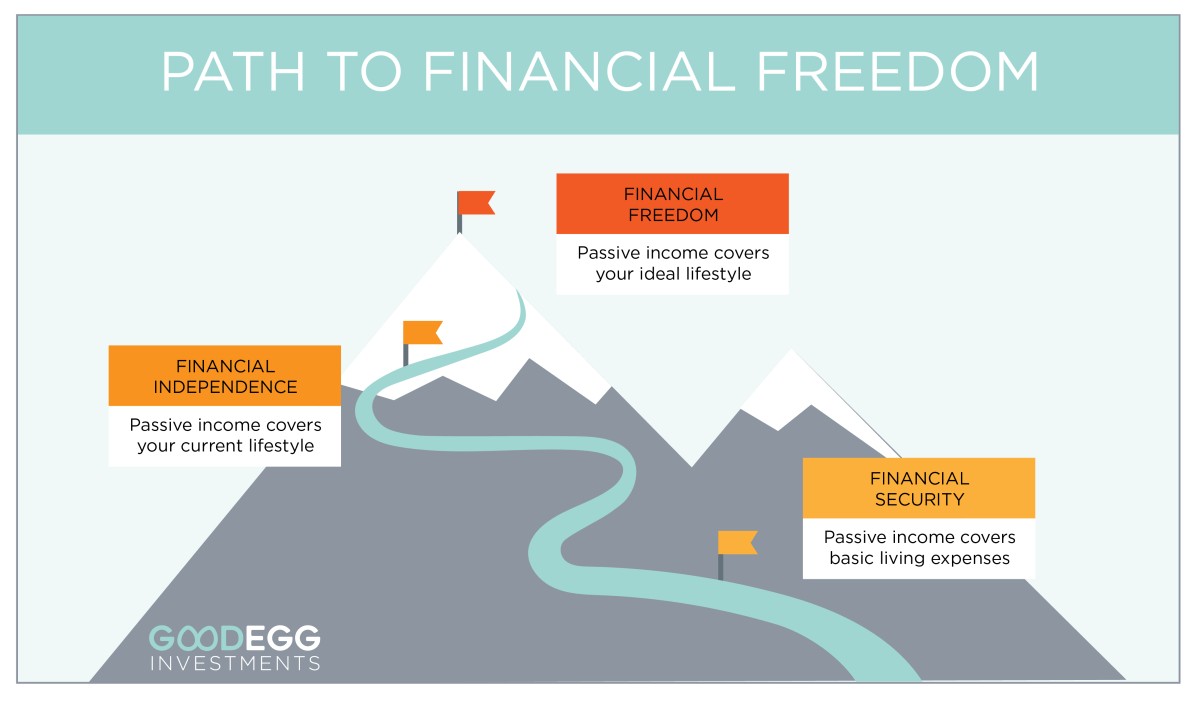
Financial freedom is often described as the ability to live life on your own terms, free from the constant worry of money and unexpected expenses. It is not simply about accumulating wealth but about creating stability and resilience that allow you to make choices with confidence. Insurance plays a critical role in this equation, acting as a safeguard that protects assets, income, and long-term plans. By reducing uncertainty, insurance becomes a powerful enabler of financial freedom, ensuring that progress is not undone by unforeseen events.
At its core, financial freedom requires security. Without protection, even substantial savings or investments can be vulnerable to sudden shocks. A medical emergency, property damage, or liability claim can quickly erode resources that were meant to support future goals. Insurance absorbs these risks, transforming unpredictable events into manageable outcomes. This stability allows individuals and businesses to focus on growth and opportunity rather than being consumed by fear of loss. In this way, insurance is not just a defensive measure but a proactive tool for building confidence.
Health insurance is one of the clearest examples of how coverage supports financial freedom. Rising medical costs can derail even the most carefully planned budgets, forcing families to dip into savings or take on debt. With insurance, access to care is secured without jeopardizing financial stability. This assurance allows people to plan for the future with clarity, knowing that their health needs will not compromise their financial independence. It is a form of empowerment that strengthens both personal resilience and long-term financial security.
Property insurance contributes to financial freedom by protecting homes, vehicles, and businesses. These assets often represent years of investment and effort, and losing them without coverage can be devastating. Insurance ensures that damage from accidents, theft, or natural disasters does not translate into permanent loss. By providing the resources to repair or rebuild, it preserves the foundation upon which financial stability is built. This protection allows individuals and organizations to move forward with confidence, knowing that their assets are secure even in uncertain times.
Life insurance adds another dimension by securing the future of dependents. Financial freedom is not only about personal independence but also about ensuring continuity for loved ones. The loss of a breadwinner can be both emotionally and financially overwhelming. Life insurance ensures that families are supported, covering expenses and preserving long-term goals such as education or retirement. This continuity provides peace of mind, allowing families to plan with clarity even when faced with difficult circumstances. It transforms one of life’s most challenging uncertainties into a situation where stability is maintained.
For entrepreneurs and business owners, insurance is often the difference between resilience and collapse. Companies operate in environments filled with risks, from liability claims to supply chain disruptions. A single incident can threaten survival if coverage is inadequate. Business interruption insurance, liability protection, and employee benefits provide the resources needed to recover and adapt. This resilience allows companies to continue serving customers, supporting employees, and contributing to the economy even when instability is widespread. Insurance becomes a strategic asset, enabling businesses to pursue growth with confidence.
The psychological impact of insurance is just as important as the financial one. Uncertainty often creates stress and anxiety, which can limit ambition and cloud judgment. Knowing that coverage exists alleviates this burden, fostering confidence in decision-making. Families can invest in their children’s future, professionals can pursue ambitious careers, and entrepreneurs can launch new ventures without being paralyzed by fear of loss. Insurance provides peace of mind, turning risk into something manageable and empowering people to embrace opportunities despite the unknowns.
Insurance also encourages responsibility by incentivizing safer practices. Premiums often reflect risk levels, motivating individuals to adopt healthier lifestyles, maintain safe homes, or drive responsibly. Businesses may implement stronger safety protocols to reduce liability exposure. These behaviors not only reduce the likelihood of claims but also strengthen resilience overall. Insurance, in this sense, is not just reactive but proactive, shaping habits that minimize risks before they materialize. This proactive dimension reinforces financial freedom by reducing vulnerabilities.
Adaptability enhances the role of insurance in supporting independence. Policies can be tailored to fit specific needs, ensuring that coverage aligns with evolving circumstances. As life changes—through marriage, children, career shifts, or new investments—insurance evolves alongside it. This flexibility ensures that protection remains relevant, reinforcing the sense of control that stability requires. Families and businesses gain confidence knowing that their coverage can adjust to whatever challenges the future may bring.
Technology has amplified the effectiveness of insurance in recent years. Digital platforms make it easier to access, manage, and understand policies. Mobile apps allow customers to file claims instantly, track coverage, and receive updates in real time. This transparency reduces uncertainty and builds trust, enhancing the peace of mind that comes from knowing protection is both accessible and reliable. In a fast-paced world, convenience and clarity are essential, and technology ensures that insurance delivers both.
Insurance also contributes to broader community resilience, which indirectly supports individual financial freedom. By pooling risk across large groups, insurers prevent financial shocks from overwhelming societies. This collective resilience supports markets, fosters recovery after crises, and creates an environment where families and businesses can thrive. Confidence in communities is built on the assurance that risks are shared and managed collectively, and insurance plays a central role in providing that assurance.
The link between insurance and long-term planning is particularly strong. Retirement strategies, estate planning, and wealth transfer often incorporate insurance as a key component. Life insurance ensures that legacies are preserved, while health and long-term care coverage protect against expenses that could erode savings. These considerations allow individuals to plan with clarity, confident that their efforts will not be undone by unexpected challenges. Insurance provides the continuity needed to sustain stability across generations, reinforcing the sustainability of financial freedom.
Ultimately, insurance empowers people to live more fully. It reduces the weight of uncertainty, allowing individuals and businesses to pursue opportunities, take risks, and enjoy life without constant fear of financial ruin. Peace of mind is not just about avoiding stress; it is about creating the freedom to focus on what truly matters. Insurance provides that freedom, transforming risk into resilience and instability into stability.
In the end, the link between insurance and financial freedom lies in its ability to safeguard assets, support income, manage liabilities, and foster trust. It enables bold decisions, encourages responsible practices, and ensures continuity in times of disruption. By viewing insurance as more than a requirement, individuals and organizations can appreciate its role as a cornerstone of resilience and prosperity. It is not simply about covering risks but about shaping a future where challenges can be met with clarity, confidence, and strength.