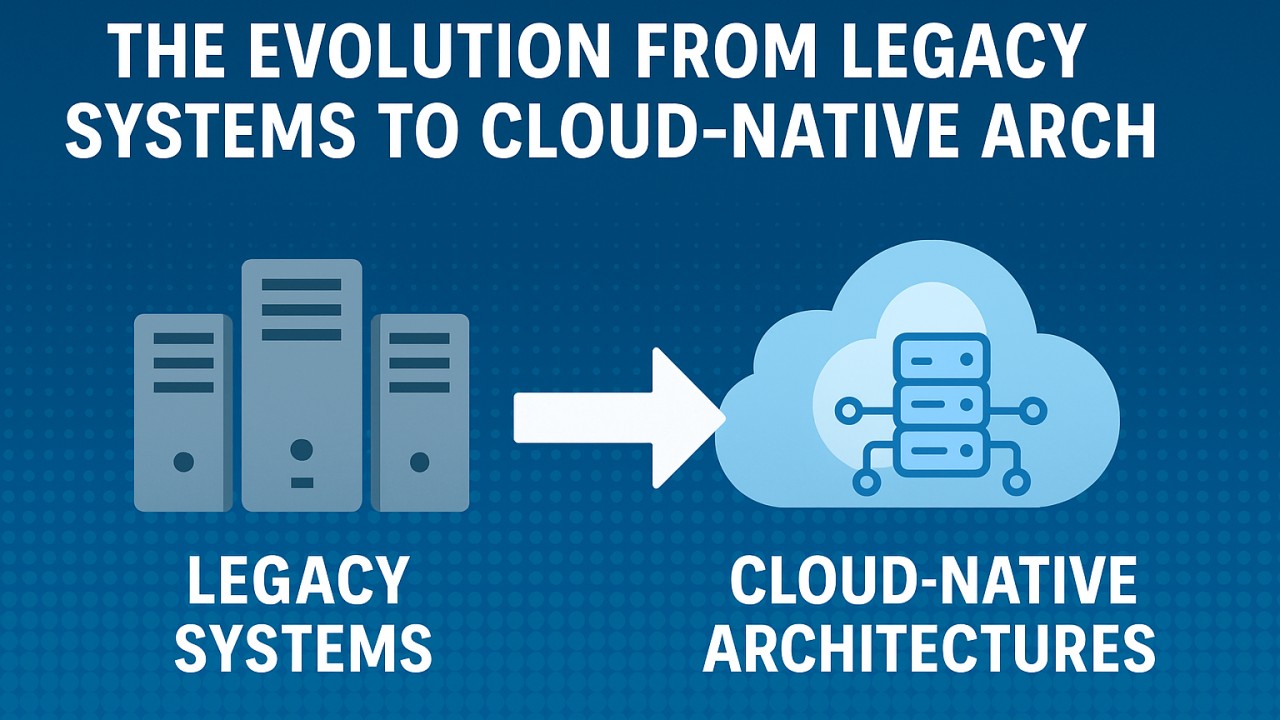
Modernizing from legacy systems to cloud-native architectures is one of the most significant transformations organizations face today. It is not simply a matter of replacing old technology with new; it is a strategic shift that redefines how businesses operate, innovate, and deliver value. Legacy systems, often built decades ago, were designed for stability and predictability, but they struggle to keep pace with the demands of a digital-first world. Cloud-native approaches, by contrast, emphasize agility, scalability, and resilience, offering organizations the tools to thrive in rapidly changing markets.
The journey begins with recognizing the limitations of legacy systems. These platforms often rely on monolithic architectures, where applications are tightly coupled and difficult to modify. Updates can be slow, costly, and risky, making it challenging to respond quickly to new opportunities or threats. Maintenance consumes significant resources, and integration with modern tools is frequently cumbersome. As businesses increasingly rely on digital channels, these constraints become more pronounced, highlighting the need for modernization.
Cloud-native architectures offer a fundamentally different model. They are built around microservices, containers, and orchestration platforms that allow applications to be broken down into smaller, independent components. Each component can be developed, deployed, and scaled separately, reducing complexity and increasing flexibility. This modular approach enables faster innovation, as teams can experiment and iterate without disrupting the entire system. It also supports resilience, since failures in one component do not necessarily bring down the entire application.
The transition from legacy to cloud-native requires careful planning. Organizations must assess their existing systems, identify which applications are suitable for migration, and determine the best approach for each. Some workloads may be candidates for a simple lift-and-shift, moving them to the cloud with minimal changes. Others may require re-architecting to take full advantage of cloud-native features. The decision depends on factors such as business priorities, technical feasibility, and cost considerations. A phased approach often works best, allowing organizations to build experience and confidence as they progress.
Cultural change is just as important as technical transformation. Legacy systems often reflect traditional organizational structures, with development and operations teams working in silos. Cloud-native practices emphasize collaboration, continuous integration, and continuous delivery, requiring a shift in mindset. Teams must embrace agility, automation, and shared responsibility for outcomes. This cultural evolution can be challenging, but it is essential for unlocking the full benefits of modernization. Leadership plays a critical role in fostering this change, setting the vision and supporting teams as they adapt.
Security and compliance are central considerations throughout the modernization journey. Legacy systems may rely on outdated security practices that are inadequate for cloud environments. Cloud-native architectures introduce new dynamics, such as distributed workloads and automated pipelines, which require updated approaches to security. Embedding security into every stage of development and deployment, often referred to as DevSecOps, ensures that protection is not an afterthought but an integral part of the process. Compliance with regulatory requirements must also be maintained, particularly in industries where data privacy and integrity are paramount.
Cost management is another critical factor. While cloud-native architectures can reduce infrastructure expenses and improve efficiency, they also introduce new complexities in billing and resource allocation. Without proper governance, costs can escalate quickly. Organizations must implement monitoring and optimization practices to ensure that spending aligns with business objectives. This financial discipline transforms the cloud from a potential liability into a strategic asset, enabling organizations to scale confidently without overspending.
The benefits of modernization extend beyond efficiency and cost savings. Cloud-native architectures enable innovation by providing access to advanced technologies such as artificial intelligence, machine learning, and real-time analytics. These capabilities allow businesses to deliver smarter products, more personalized services, and improved customer experiences. By moving away from rigid legacy systems, organizations gain the freedom to experiment, adapt, and differentiate themselves in competitive markets. The cloud becomes not just a platform for operations but a catalyst for growth.
Modernization also enhances resilience. Legacy systems often struggle to handle unexpected surges in demand or disruptions in infrastructure. Cloud-native architectures, with their ability to scale dynamically and recover quickly from failures, provide greater reliability. This resilience is critical in a world where downtime can have significant financial and reputational consequences. Customers expect seamless experiences, and cloud-native systems are better equipped to deliver them consistently.
The journey from legacy to cloud-native is not without challenges. Technical complexity, cultural resistance, and financial constraints can all slow progress. Yet organizations that approach modernization strategically, with clear goals and strong leadership, can overcome these obstacles. The key is to view modernization not as a one-time project but as an ongoing journey. Cloud-native architectures evolve rapidly, and organizations must remain agile, continuously refining their practices and embracing new opportunities.
Ultimately, modernization is about positioning the organization for the future. Legacy systems may have served well in the past, but they are increasingly ill-suited to the demands of today’s digital economy. Cloud-native architectures provide the flexibility, scalability, and resilience needed to thrive in this environment. By embracing modernization, organizations can unlock new levels of efficiency, innovation, and customer satisfaction, ensuring that they remain competitive and relevant in the years ahead.
The path from legacy to cloud-native is both challenging and rewarding. It requires technical expertise, cultural transformation, and strategic vision. But for organizations willing to take the journey, the benefits are profound. Modernization is not just about technology; it is about reimagining how businesses operate and deliver value in a digital-first world. Those who succeed will find themselves better equipped to navigate uncertainty, seize opportunities, and shape the future of their industries.