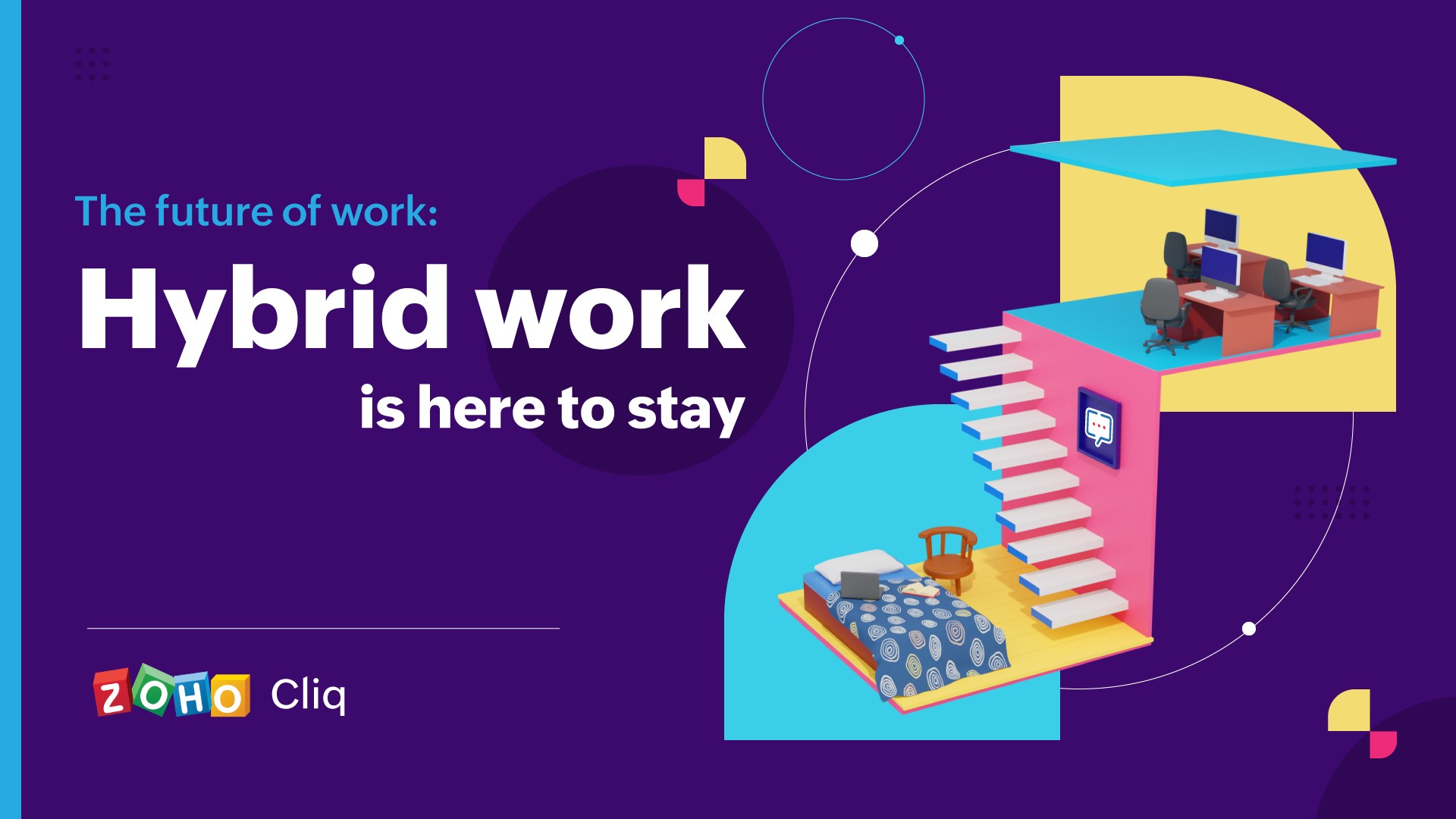
Hybrid work has quickly evolved from a temporary solution into a long-term strategy for many organizations. What began as a response to global disruptions has now become a defining feature of modern business, reshaping how companies think about productivity, collaboration, and employee engagement. As this model matures, the technologies that support hybrid work are advancing rapidly, creating a future where flexibility and efficiency are seamlessly integrated into everyday operations.
The future of hybrid work technologies will be characterized by platforms that unify digital and physical experiences. Employees expect to move fluidly between remote and in-office environments without losing access to tools or information. Cloud-based collaboration suites, integrated communication platforms, and secure virtual desktops are becoming the backbone of this transition. These technologies ensure that work is not tied to a specific location, allowing teams to remain connected and productive regardless of where they are.
Artificial intelligence will play a central role in shaping hybrid work. Intelligent systems are already being used to automate routine tasks, analyze workflows, and provide real-time insights into productivity. In the future, AI will become even more embedded in hybrid work technologies, offering personalized recommendations, predicting resource needs, and enhancing decision-making. For employees, this means less time spent on repetitive processes and more focus on creative and strategic work. For organizations, it translates into greater efficiency and agility.
Collaboration tools are also evolving to meet the demands of hybrid work. Video conferencing platforms are moving beyond simple meetings, incorporating features such as real-time translation, advanced whiteboarding, and immersive virtual environments. These innovations aim to replicate the spontaneity and creativity of in-person collaboration while leveraging the advantages of digital connectivity. The goal is not just to make remote meetings possible but to make them engaging, inclusive, and effective.
Security will remain a critical priority as hybrid work expands. With employees accessing company systems from multiple locations and devices, the risk of cyber threats increases. Future hybrid work technologies will emphasize zero-trust architectures, advanced encryption, and continuous monitoring to safeguard data. At the same time, user-friendly authentication methods will ensure that security does not become a barrier to productivity. Balancing protection with accessibility will be essential for building trust in hybrid work systems.
The physical workplace itself is being reimagined through technology. Smart office solutions are emerging that allow organizations to optimize space usage, manage resources, and create environments tailored to hybrid teams. Sensors, IoT devices, and analytics platforms can track occupancy, adjust lighting and temperature, and provide insights into how spaces are used. These technologies enable companies to design offices that complement remote work, offering spaces for collaboration, innovation, and social connection rather than rows of desks.
Employee experience will be a driving force behind the adoption of hybrid work technologies. Workers increasingly expect tools that are intuitive, personalized, and supportive of well-being. Future platforms will integrate wellness features, such as reminders to take breaks, ergonomic guidance, and mental health resources. By embedding these elements into the work environment, companies can foster healthier, more engaged teams. Technology will not only support productivity but also contribute to a more balanced and sustainable work culture.
Data analytics will be another cornerstone of hybrid work. Organizations will rely on advanced analytics to understand how employees interact with technology, how teams collaborate, and where bottlenecks occur. These insights will inform decisions about resource allocation, workflow design, and employee support. Predictive analytics will allow companies to anticipate challenges and adapt strategies before issues arise. In this way, data becomes a tool for continuous improvement in hybrid work environments.
The role of mobility cannot be overlooked. As hybrid work becomes the norm, employees will expect seamless access to tools and information across devices. Mobile-first design will ensure that collaboration platforms, productivity apps, and security systems function consistently on smartphones, tablets, and laptops. This mobility empowers employees to work from anywhere, whether at home, in the office, or on the move, without compromising efficiency or security.
Hybrid work technologies will also reshape organizational culture. Digital platforms will become the primary medium for communication, collaboration, and recognition. Companies will need to invest in tools that foster inclusivity and ensure that remote employees feel as connected as those in the office. Technologies that support transparent communication, equitable participation, and shared accountability will be essential for maintaining cohesion in distributed teams.
Training and development will increasingly rely on hybrid technologies as well. Virtual reality and augmented reality are emerging as powerful tools for immersive learning experiences. These technologies can simulate real-world scenarios, provide hands-on practice, and deliver personalized feedback. As organizations seek to upskill employees in a rapidly changing environment, hybrid learning platforms will become indispensable for building capabilities and confidence.
The future of hybrid work will also be shaped by sustainability. Companies are recognizing the environmental benefits of reduced commuting and optimized office usage. Hybrid work technologies will support these goals by enabling remote collaboration, reducing energy consumption in offices, and providing data to track sustainability metrics. By aligning hybrid work with environmental priorities, organizations can demonstrate responsibility while achieving operational efficiency.
Ultimately, the future of hybrid work technologies is about creating ecosystems that are flexible, secure, and human-centered. It is not enough to simply enable remote access; companies must design systems that enhance collaboration, protect data, and support employee well-being. The technologies that succeed will be those that integrate seamlessly into daily workflows, adapt to evolving needs, and empower employees to thrive in diverse environments.
As hybrid work continues to evolve, the organizations that embrace these technologies will be best positioned to attract talent, drive innovation, and remain competitive. The future is not about choosing between remote and office work but about blending them into a model that leverages the strengths of both. With the right technologies, hybrid work can move beyond being a necessity to becoming a strategic advantage, shaping the way businesses operate and succeed in the years ahead.