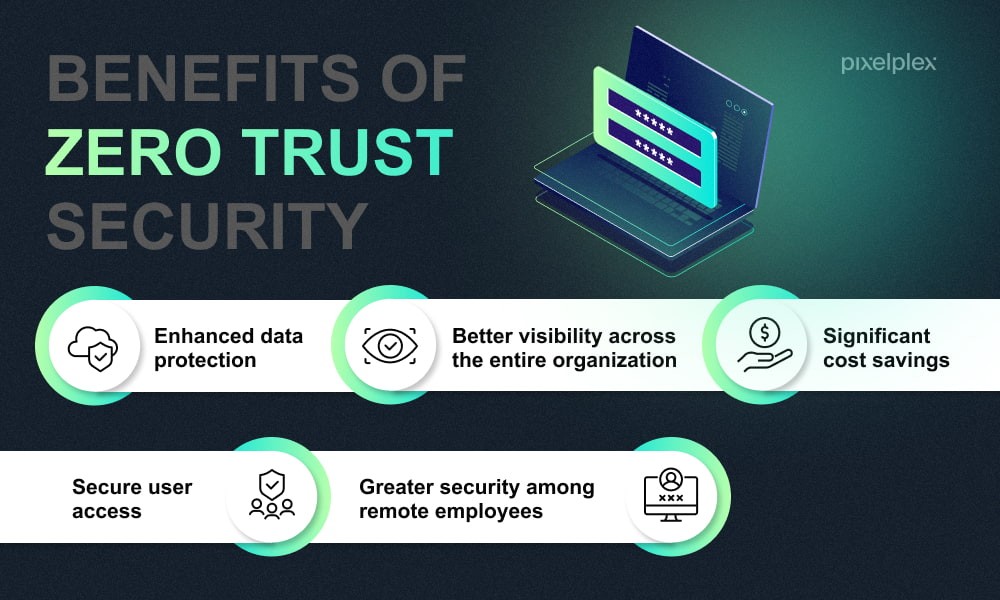
Zero Trust security models have become one of the most important shifts in cybersecurity strategy, offering organizations a way to protect themselves in an increasingly complex digital environment. Unlike traditional approaches that assume everything inside a network perimeter can be trusted, Zero Trust operates on the principle of “never trust, always verify.” This mindset reflects the reality that threats can come from both outside and inside an organization, and that trust should never be granted by default. The benefits of adopting this model are far-reaching, impacting not only security but also business resilience and agility.
One of the most significant advantages of Zero Trust is its ability to reduce the risk of breaches. In traditional models, once an attacker gains access to the network, they often have free rein to move laterally and exploit systems. Zero Trust minimizes this risk by segmenting access and requiring continuous verification of identity and device health. Even if a breach occurs, the attacker’s ability to move within the network is severely limited, reducing the potential damage. This containment strategy is critical in an era where cyberattacks are more sophisticated and persistent than ever.
Another benefit lies in the protection of sensitive data. Organizations today handle vast amounts of information, from customer records to intellectual property, and the consequences of data loss can be devastating. Zero Trust ensures that access to data is tightly controlled, with permissions granted only when necessary and monitored continuously. By enforcing strict policies, organizations can safeguard their most valuable assets and demonstrate to customers and regulators that they take data protection seriously.
Zero Trust also enhances visibility across the organization’s digital ecosystem. Traditional security models often leave blind spots, particularly in hybrid environments where cloud services, remote work, and third-party integrations are common. Zero Trust requires continuous monitoring and logging of activity, providing security teams with a clearer picture of what is happening at all times. This visibility allows for faster detection of anomalies and more effective responses to potential threats, strengthening the overall security posture.
The model is particularly well-suited to modern work environments. With remote work and mobile access now standard, the traditional notion of a secure perimeter has become obsolete. Employees connect from different locations, devices, and networks, creating new vulnerabilities. Zero Trust addresses this challenge by focusing on identity and device verification rather than location. Whether an employee is working from the office, home, or a coffee shop, their access is governed by the same rigorous standards, ensuring consistency and reducing risk.
Adopting Zero Trust can also improve compliance with regulatory requirements. Many industries face strict rules around data privacy and security, and failing to meet these standards can result in fines and reputational damage. Zero Trust frameworks align closely with compliance needs by enforcing access controls, maintaining detailed logs, and ensuring that sensitive data is protected at every stage. Organizations that implement Zero Trust not only strengthen their defenses but also position themselves to meet evolving regulatory demands more effectively.
Another key benefit is the reduction of insider threats. While external attacks often dominate headlines, risks from within the organization can be just as damaging. Employees, contractors, or partners may misuse access intentionally or unintentionally, leading to data leaks or system disruptions. Zero Trust mitigates this risk by applying the same verification and monitoring standards to internal users as it does to external ones. By eliminating implicit trust, organizations can better protect themselves against insider risks.
Zero Trust also supports scalability and flexibility. As organizations grow, their networks and systems become more complex, and traditional security models struggle to keep up. Zero Trust frameworks are designed to adapt to changing environments, whether that means integrating new cloud platforms, expanding to new markets, or onboarding additional users. This adaptability ensures that security does not become a bottleneck but instead evolves alongside the business, enabling growth without compromising protection.
The model encourages a proactive approach to security rather than a reactive one. Instead of waiting for breaches to occur and then responding, Zero Trust continuously verifies and monitors activity, reducing the likelihood of successful attacks. This proactive stance not only strengthens defenses but also reduces the costs associated with incident response and recovery. Organizations can allocate resources more efficiently, focusing on prevention rather than damage control.
Zero Trust also fosters greater collaboration between IT and business teams. Because the model emphasizes identity, access, and data protection, it requires input from across the organization to define policies and priorities. This collaboration ensures that security strategies align with business objectives, creating a more integrated approach. When security is seen as a business enabler rather than an obstacle, organizations can innovate more confidently and pursue new opportunities without fear of exposing themselves to undue risk.
From a customer perspective, Zero Trust builds trust and confidence. In a world where data breaches are common, customers want assurance that their information is being handled responsibly. Organizations that adopt Zero Trust can demonstrate their commitment to security, strengthening relationships and differentiating themselves in competitive markets. This trust translates into loyalty and long-term value, making security not just a technical necessity but a strategic advantage.
The financial benefits of Zero Trust are also worth noting. While implementation requires investment, the long-term savings from reduced breaches, lower compliance costs, and more efficient operations can be substantial. Cyberattacks are expensive, not only in terms of direct losses but also in reputational damage and customer attrition. By minimizing these risks, Zero Trust delivers a strong return on investment, making it a sound business decision as well as a security imperative.
Ultimately, the benefits of Zero Trust security models extend beyond technology. They reshape how organizations think about trust, access, and responsibility in the digital age. By eliminating assumptions and enforcing continuous verification, Zero Trust creates a more resilient, adaptable, and trustworthy environment. In doing so, it empowers organizations to protect their assets, support their employees, and build stronger relationships with customers. As cyber threats continue to evolve, the adoption of Zero Trust is not just a trend but a necessity for businesses that want to thrive securely in the future.