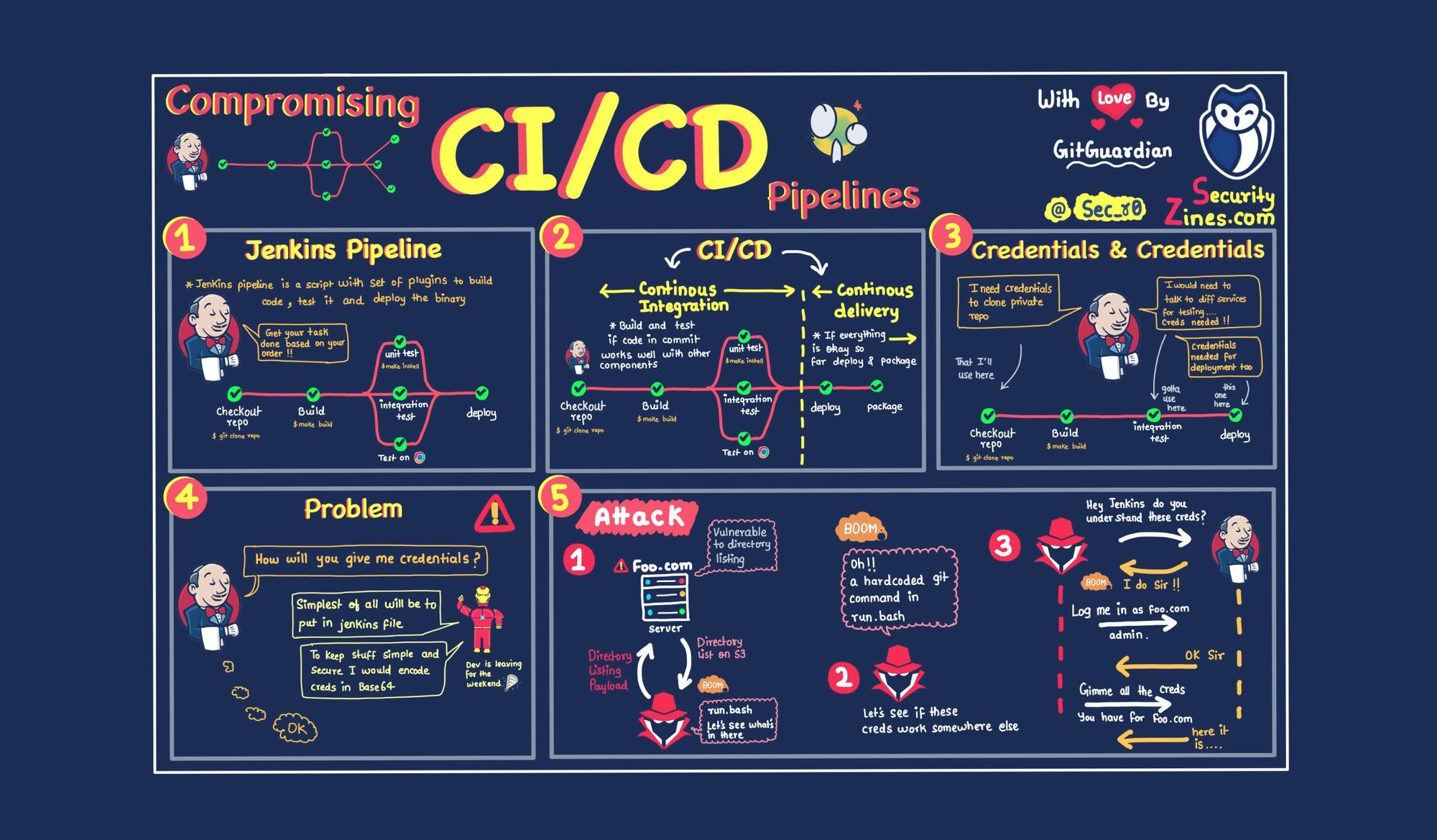
Continuous integration and continuous delivery pipelines have become the backbone of modern software development. They enable teams to move quickly, automate repetitive tasks, and deliver updates with confidence. Yet, as powerful as CI/CD pipelines are, they are not immune to risk. A misconfigured pipeline can introduce vulnerabilities, a failed deployment can disrupt customers, and a lack of visibility can leave teams scrambling to diagnose issues. Thinking about insurance for CI/CD pipelines is not about purchasing a policy, but about building safeguards that protect the integrity, reliability, and resilience of these systems.
Insuring a pipeline begins with clarity of design. Pipelines often evolve organically, with new steps added as projects grow. Without a clear architecture, they can become fragile and difficult to maintain. By defining the purpose of each stage—whether it is building, testing, or deploying—teams insure themselves against confusion and inefficiency. A well-structured pipeline reduces the risk of errors and ensures that every step contributes meaningfully to the overall process.
Testing provides another layer of insurance. Pipelines are only as strong as the checks they enforce. If automated tests are incomplete or unreliable, defects can slip through and reach production. Insuring a pipeline means investing in comprehensive test coverage, including unit, integration, and performance tests. These checks act as safety nets, catching issues before they impact users. Testing insures the pipeline by reinforcing trust in its outputs and reducing the likelihood of costly rollbacks.
Monitoring is equally critical. Pipelines operate continuously, often triggering multiple deployments in a single day. Without monitoring, failures can go unnoticed until they cause significant disruption. Insuring a pipeline requires integrating observability tools that track performance, error rates, and deployment outcomes. Monitoring provides visibility into the health of the pipeline, enabling teams to respond quickly when something goes wrong. This insurance ensures that problems are detected early rather than after they escalate.
Security is a vital dimension of insurance for CI/CD pipelines. Pipelines often handle sensitive information, such as credentials, API keys, and proprietary code. Weak security practices can expose organizations to breaches. Insuring a pipeline means adopting secure storage for secrets, enforcing access controls, and scanning for vulnerabilities throughout the process. By treating the pipeline as a potential attack surface, teams protect themselves against risks that could compromise both their software and their reputation.
Documentation plays a surprisingly important role in insuring pipelines. When teams grow or new members join, undocumented pipelines can become opaque and difficult to manage. Clear documentation of steps, dependencies, and configurations insures the pipeline against knowledge loss. It ensures that anyone can understand and maintain the system without relying on tribal knowledge. Documentation transforms pipelines from fragile constructs into organizational assets that can scale with the business.
Version control provides another safeguard. Pipelines evolve as requirements change, but without proper tracking, modifications can introduce regressions. Storing pipeline configurations in repositories insures the organization against accidental overwrites or the loss of critical functionality. Version control also enables rollback when new changes cause issues, providing a safety net that keeps production environments stable. This insurance ensures that pipelines remain reliable even as they adapt to new needs.
Flexibility is essential for insuring CI/CD pipelines. Technology stacks evolve, and pipelines must adapt to new frameworks, tools, and deployment environments. A rigid pipeline risks becoming obsolete, forcing costly rework. Insuring pipelines means designing them with modularity and extensibility in mind. Flexible pipelines can accommodate change without breaking, ensuring that they remain valuable assets even as the landscape shifts.
Collaboration practices also contribute to insurance. Pipelines often span multiple teams, from developers to operations to security. Without shared standards, inconsistencies can arise that lead to integration issues. Establishing guidelines for naming conventions, error handling, and deployment processes insures the team against misalignment. Collaboration ensures that pipelines fit together seamlessly, reducing friction and strengthening the overall architecture.
Resilience is the ultimate insurance for CI/CD pipelines. No system can anticipate every possible condition, but resilient pipelines are designed to recover gracefully. They handle errors, retry failed operations, and provide rollback mechanisms when deployments go wrong. Resilience insures the organization against catastrophic failures, ensuring that applications remain functional even under stress. It transforms pipelines from convenient tools into robust foundations for mission-critical systems.
Learning loops provide ongoing insurance. Each failure or inefficiency encountered in a pipeline offers an opportunity to improve. By analyzing incidents, monitoring performance, and incorporating feedback, teams can refine their practices. Continuous improvement insures the pipeline against recurring problems and strengthens its reliability over time. These learning loops create a culture of resilience and adaptability that protects the organization’s investment in automation.
Financial discipline plays a role as well. Pipelines consume resources, from compute power to storage to third-party services. Poorly optimized pipelines can generate unnecessary costs. Insuring them requires monitoring resource usage, optimizing workflows, and setting budgets. This financial awareness insures the organization against waste, ensuring that pipelines remain cost-effective while delivering value.
Ultimately, insurance for CI/CD pipelines is about recognizing their importance and treating them with the care they deserve. These systems may operate quietly in the background, but they carry enormous responsibility, powering deployments, integrations, and customer experiences. By focusing on clarity, testing, monitoring, security, documentation, version control, flexibility, collaboration, resilience, continuous learning, and financial discipline, organizations can insure their pipelines against failure. In doing so, they transform fragile automation into durable assets that support innovation and growth.