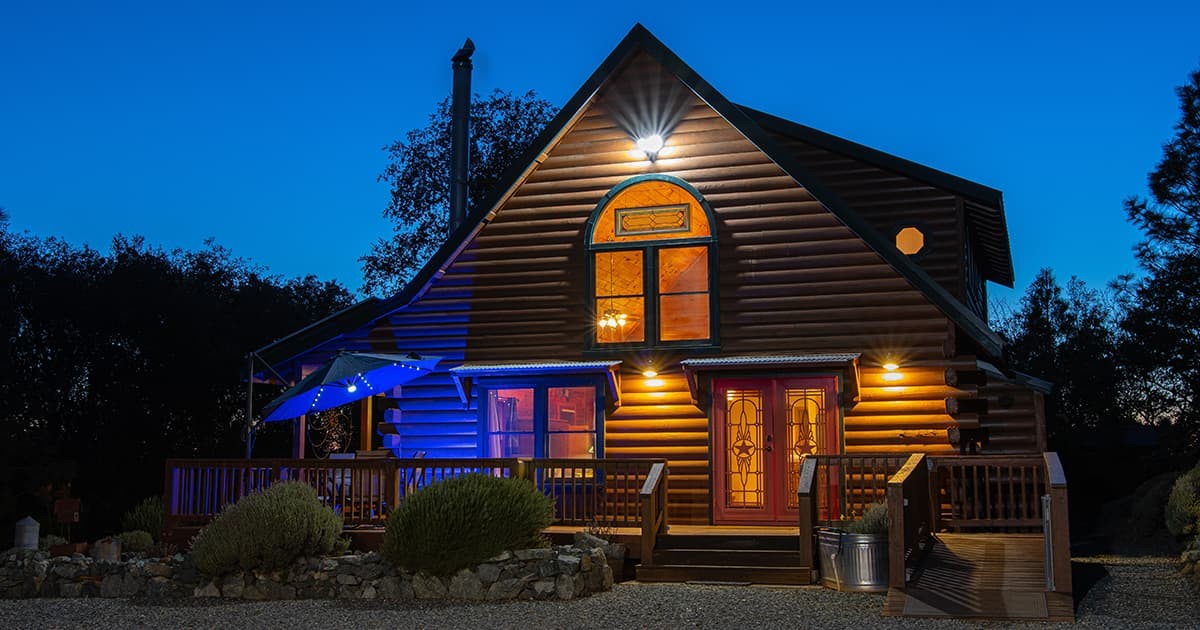
Insuring an Airbnb property is one of the most important steps a host can take to protect their investment and ensure the long-term viability of their short-term rental business. While the platform itself offers some built-in protections, relying solely on those can leave significant gaps in coverage. Hosting guests introduces a unique blend of residential and commercial risks, and traditional homeowners insurance often falls short when it comes to addressing the nuances of short-term rentals. Understanding how to properly insure your Airbnb property means navigating a mix of personal property protection, liability coverage, and business-related considerations—all tailored to the realities of hosting.
The first thing to recognize is that most standard homeowners policies are not designed to cover short-term rental activity. These policies typically assume that the property is used for personal, non-commercial purposes. Once you begin renting out your home or a portion of it to paying guests, you introduce a commercial element that can void or severely limit your coverage. For example, if a guest accidentally starts a fire or injures themselves on your property, your insurer may deny the claim if they determine the incident occurred during a business activity not covered under your policy. This is why hosts need to explore specialized insurance options that explicitly account for short-term rental use.
Airbnb does offer its own protection programs, such as AirCover for Hosts, which includes liability coverage and damage protection. While these programs provide a layer of security, they are not substitutes for comprehensive insurance. AirCover, for instance, may exclude certain types of damage, such as wear and tear or loss of income due to cancellations. It also may not cover legal expenses if a guest sues you for negligence. Relying solely on platform-provided coverage can leave you exposed to risks that fall outside the scope of their terms. A dedicated short-term rental insurance policy fills in those gaps and offers peace of mind that your property and finances are truly protected.
Short-term rental insurance policies are specifically designed to address the risks associated with hosting. These policies typically combine elements of homeowners insurance, landlord insurance, and commercial liability coverage. They protect the physical structure of the property, the contents inside, and your legal liability as a host. For example, if a guest damages your furniture or appliances, the policy can reimburse you for repairs or replacements. If a guest slips on a wet floor and files a lawsuit, liability coverage can help pay for legal defense and any resulting settlement. Some policies even include coverage for lost income if your property becomes uninhabitable due to a covered event, such as a fire or flood.
Choosing the right policy involves assessing the specifics of your rental operation. If you rent out an entire home, your coverage needs will differ from someone who rents a single room while living on-site. The frequency of rentals, the number of guests, and the amenities offered all influence your risk profile. Properties with pools, hot tubs, or steep staircases may require higher liability limits due to increased potential for injury. Similarly, if you host events or allow pets, those factors should be disclosed to your insurer to ensure they’re covered. Transparency is key—misrepresenting your rental activity can lead to denied claims and policy cancellations.
Working with an insurance provider that understands the short-term rental market is essential. Not all insurers offer policies tailored to Airbnb hosts, and those that do may vary widely in terms of coverage and exclusions. A knowledgeable agent can help you navigate the options, explain the fine print, and recommend a policy that aligns with your hosting style and property type. They can also advise on additional endorsements or riders that may be beneficial, such as coverage for theft by guests or protection for valuable items like artwork or electronics. The goal is to build a policy that reflects the real-world risks you face and provides meaningful protection.
Documentation and record-keeping play a crucial role in managing your insurance effectively. Keeping detailed records of bookings, guest communications, and property maintenance can support your case in the event of a claim. Photographs of the property before and after each stay can help verify damage and establish a timeline. If you use third-party services for cleaning or property management, make sure they carry their own insurance and that your policy accounts for their involvement. These proactive steps not only streamline the claims process but also demonstrate your commitment to responsible hosting.
As the short-term rental industry continues to evolve, so too do the insurance products designed to support it. Insurers are beginning to offer more flexible, modular policies that adapt to changing needs. Whether you’re a casual host or operate multiple properties as a full-time business, there are coverage options that can scale with you. Staying informed about regulatory changes, local ordinances, and platform policies is also important, as these factors can influence your insurance requirements and liability exposure. Being proactive about insurance is not just about compliance—it’s about building a resilient business that can weather unexpected challenges.
Ultimately, insuring your Airbnb property is about more than protecting bricks and mortar. It’s about safeguarding the experience you offer, the income you generate, and the reputation you build as a host. With the right coverage in place, you can welcome guests with confidence, knowing that you’re prepared for whatever comes your way. In a business built on trust and hospitality, insurance is the foundation that allows you to deliver both consistently and securely.