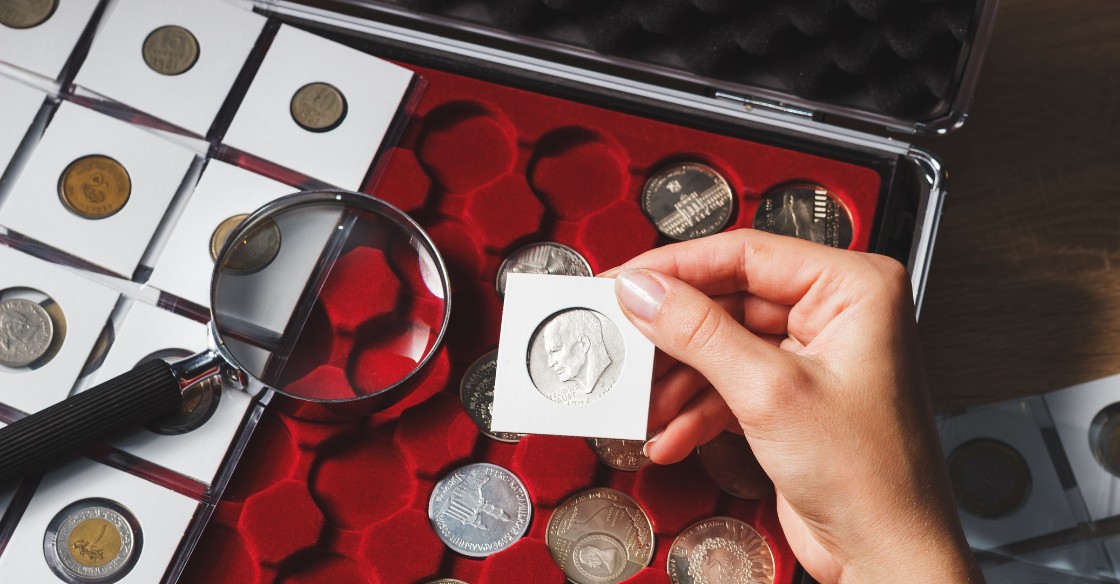
Collecting is more than a hobby—it’s a passion, an investment, and in many cases, a lifelong pursuit. Whether it’s rare coins, vintage trading cards, stamps, or memorabilia, collectors often spend years curating their collections, pouring time, money, and emotion into each acquisition. But while the thrill of the hunt and the pride of ownership are central to the experience, protecting these assets is just as important. Insurance for collectors isn’t just about replacing lost items; it’s about preserving the value and integrity of a collection that may be irreplaceable in both financial and sentimental terms.
One of the biggest misconceptions among collectors is assuming that their homeowners or renters insurance will automatically cover their collection. While these policies may offer some protection, they typically have limits on coverage for collectibles and may not account for the full value of rare or high-end items. For example, a standard policy might cap coverage for coins or cards at a few thousand dollars, which could fall far short if you own a rare 1909-S VDB Lincoln cent or a mint-condition rookie card. In addition, these policies often exclude losses due to specific risks like flooding, accidental damage, or mysterious disappearance, which are not uncommon in the world of collectibles.
To properly insure a collection, it’s essential to seek out a specialized policy that’s designed for collectibles. These policies are tailored to the unique nature of collectible items and offer broader protection, including coverage for theft, fire, water damage, and accidental breakage. Some even include coverage for items in transit, which is particularly valuable for collectors who buy, sell, or exhibit their pieces at shows or auctions. For instance, if you’re shipping a rare coin to a grading service and it’s lost or damaged en route, a collectibles policy can help recover the loss—something a standard homeowners policy likely wouldn’t cover.
Valuation is a critical component of insuring a collection. Unlike mass-produced goods, collectibles often appreciate over time and can vary widely in value based on condition, rarity, and market demand. Insurers typically require a detailed inventory and professional appraisals to establish the insured value. This process not only helps determine the appropriate coverage limits but also serves as documentation in the event of a claim. Keeping records up to date is equally important, especially as new items are added or market conditions change. A card that was worth $500 five years ago might now fetch $5,000, and your policy should reflect that growth.
Collectors also need to consider how their items are stored and displayed. Insurance providers may have specific requirements or recommendations to minimize risk. For example, coins should be kept in secure, climate-controlled environments to prevent oxidation or damage, while cards are best stored in protective sleeves and cases to avoid wear and tear. If your collection is housed in a safe or vault, that can reduce premiums and improve your coverage terms. Conversely, if items are left out in the open or in areas prone to moisture or temperature fluctuations, insurers may limit coverage or require additional safeguards.
Another factor to consider is the scope of coverage. Some policies offer blanket coverage for the entire collection, while others require itemized listings with individual values. Blanket coverage can be more convenient, especially for large or frequently changing collections, but it may come with per-item limits that don’t fully protect high-value pieces. Itemized coverage, while more labor-intensive, allows for precise valuation and ensures that each item is insured for its full worth. The choice depends on the nature of your collection and your tolerance for administrative work.
Collectors who engage in buying and selling should also think about business-related risks. If you sell items regularly, even as a side hustle, you may need a policy that covers commercial activity. This can include coverage for inventory, liability, and loss of income due to disruptions. For example, if you operate an online store and a fire damages your stock, a business collectibles policy can help you recover not just the value of the items but also the revenue you would have earned. It’s a way to protect both your assets and your operations.
Working with an insurance provider that understands the collectibles market is essential. Not all insurers have the expertise to assess and cover rare items accurately, and choosing a company with experience in this niche can make a significant difference. They can offer guidance on valuation, storage, and risk management, and they’re more likely to handle claims with the sensitivity and precision that collectors expect. It’s also worth asking about additional services, such as recovery assistance or access to appraisers and restoration experts, which can be invaluable in the aftermath of a loss.
Ultimately, insuring a collection is about more than just financial protection. It’s about honoring the time, effort, and passion that go into building something unique. A well-crafted insurance policy provides peace of mind, allowing collectors to focus on the joy of discovery and the satisfaction of ownership without the constant worry of what might go wrong. Whether your collection is modest or extensive, vintage or modern, taking the time to insure it properly is a wise and responsible step. It ensures that your treasures are not only admired but also safeguarded for years to come.