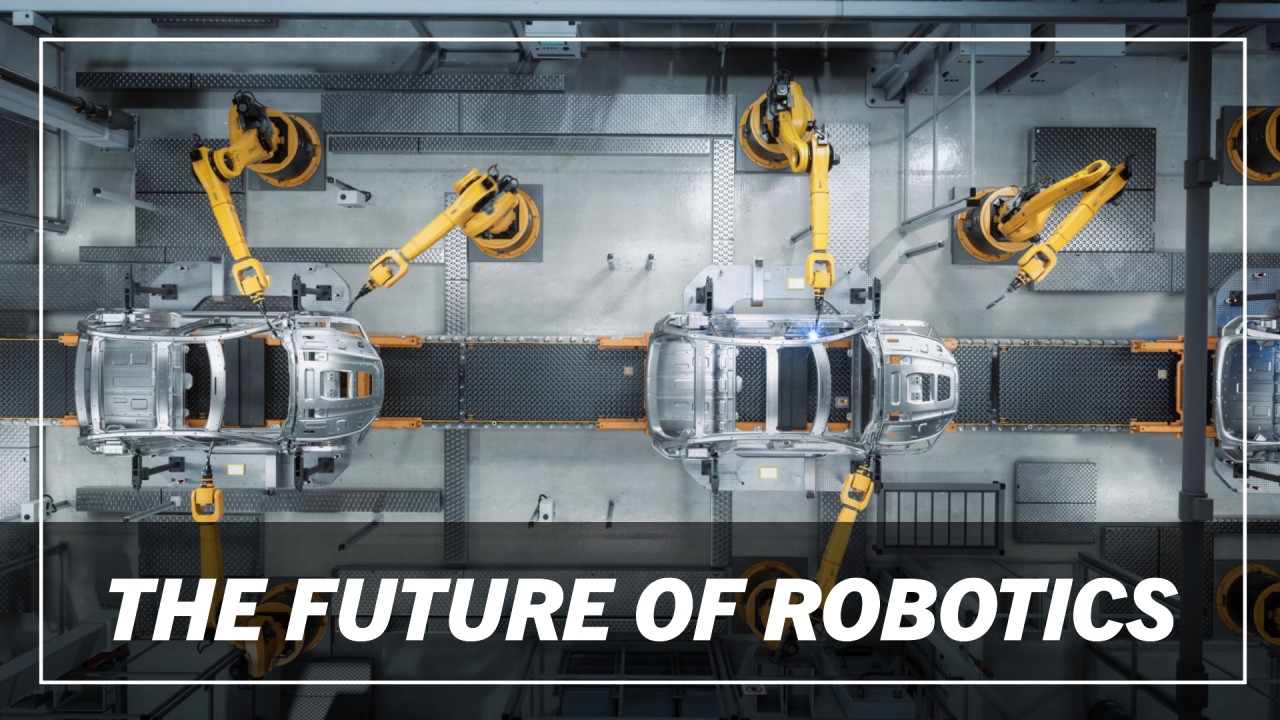
Robotics is steadily moving from the realm of industrial automation and science fiction into the fabric of everyday life. As technology becomes more sophisticated and accessible, robots are beginning to play a more visible and practical role in how we live, work, and interact. The future of robotics in daily life is not defined by humanoid machines walking among us, but by intelligent systems quietly enhancing convenience, safety, and productivity across a wide range of environments. This shift is not only technological—it’s cultural, economic, and deeply personal.
One of the most immediate areas where robotics is making an impact is in the home. Robotic vacuum cleaners and lawn mowers have already become mainstream, offering a glimpse into how automation can simplify routine chores. But the next generation of domestic robots is poised to go further, integrating with smart home ecosystems to manage tasks like cooking, organizing, and even elder care. Imagine a robotic assistant that can prepare meals based on dietary preferences, monitor medication schedules, or provide companionship through conversation and entertainment. These capabilities are being developed not just to impress, but to address real-world needs, particularly for aging populations and busy households.
Healthcare is another domain where robotics is set to transform everyday experiences. Surgical robots have already improved precision and outcomes in operating rooms, but the future lies in more personalized and accessible applications. Rehabilitation robots can assist patients recovering from injuries, helping them regain mobility with tailored exercises and real-time feedback. In hospitals and clinics, robots are being used to transport supplies, disinfect rooms, and support staff in managing workloads. These systems reduce physical strain and free up human professionals to focus on care and connection. As robotics becomes more integrated into healthcare, the emphasis will shift from novelty to necessity.
Transportation is evolving rapidly with the help of robotics, particularly in the form of autonomous vehicles. Self-driving cars, delivery drones, and robotic couriers are redefining how goods and people move through cities. While full autonomy is still a work in progress, the underlying robotic systems—sensors, navigation algorithms, and decision-making frameworks—are already enhancing safety and efficiency. Advanced driver-assistance systems, for example, use robotics to detect obstacles, maintain lane position, and prevent collisions. These technologies are not just futuristic—they’re becoming standard features in modern vehicles, gradually changing how we think about mobility.
Retail and hospitality are also embracing robotics to improve customer experience and operational efficiency. In stores, robots can manage inventory, guide shoppers, and handle restocking. In hotels, robotic concierges and room service assistants offer personalized service with minimal human intervention. These applications are particularly valuable in environments where consistency, speed, and hygiene are priorities. During the pandemic, for instance, robots played a key role in minimizing contact and maintaining service standards. As consumer expectations evolve, robotics will continue to support businesses in delivering seamless, responsive, and safe experiences.
Education is another area where robotics is beginning to make a meaningful difference. Interactive robots can support learning by engaging students in hands-on activities, facilitating language acquisition, or assisting children with special needs. These tools are not meant to replace teachers, but to enhance the learning environment and provide additional support. In higher education and research, robotics is being used to simulate complex systems, conduct experiments, and explore new frontiers in science and engineering. The presence of robots in classrooms and labs fosters curiosity and prepares students for a future where collaboration with intelligent machines is the norm.
Workplace automation is perhaps the most discussed aspect of robotics, and its implications are both exciting and challenging. Robots are increasingly being used to handle repetitive, dangerous, or precision-based tasks in industries ranging from manufacturing to agriculture. Collaborative robots, or cobots, work alongside humans, enhancing productivity without replacing the human touch. These systems are designed to be safe, adaptable, and easy to program, making them suitable for small businesses and large enterprises alike. As robotics becomes more prevalent in the workplace, the focus will shift toward reskilling and redefining roles to ensure that human talent is complemented, not displaced.
The integration of robotics into everyday life also raises important questions about ethics, privacy, and design. As robots become more autonomous and capable, how do we ensure they align with human values? How do we protect personal data and maintain trust in systems that operate independently? These considerations are not just technical—they’re societal. Developers, policymakers, and users must work together to create frameworks that guide responsible innovation. Transparency, accountability, and inclusivity will be key to building a future where robotics enhances life without compromising dignity or agency.
Looking ahead, the future of robotics in everyday life is not about machines taking over—it’s about machines working with us. It’s about creating tools that understand context, respond to needs, and adapt to environments. The most successful robots will be those that disappear into the background, quietly supporting tasks and decisions without demanding attention. They will be embedded in our homes, workplaces, and communities, not as replacements for human interaction, but as extensions of our capabilities. As robotics continues to evolve, it will redefine convenience, care, and creativity in ways that are both subtle and profound. The journey is just beginning, and its destination is a world where intelligent machines are not just part of the future—they’re part of the everyday.